
Cannabis Laws in Sweden
Cannabis Laws in Sweden 2026: What Residents and Visitors Should Know
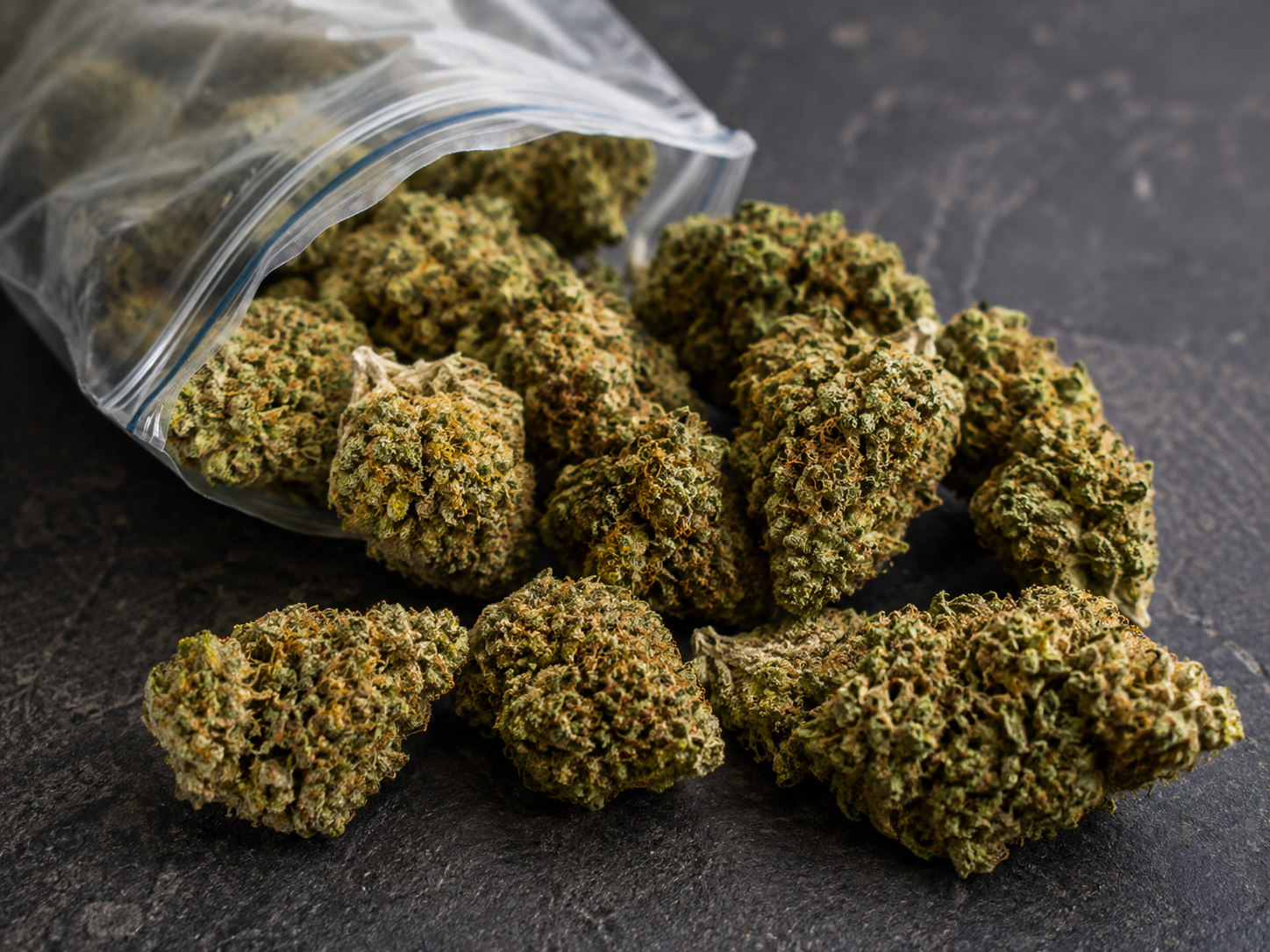
Sweden has one of the strictest cannabis policies in Europe. As of 2026, cannabis remains illegal for recreational use across the country, including Stockholm, Gothenburg, Malmö, Uppsala, Helsingborg, Västerås, Örebro, and other Swedish cities. Swedish law treats cannabis as a narcotic substance, meaning that possession, use, cultivation, purchase, transport, and sale can lead to legal consequences.
This guide explains the current cannabis laws in Sweden, what is prohibited, how medical cannabis is handled, what residents and visitors should know about CBD, and why Sweden’s approach is different from countries that have chosen decriminalisation or legalisation.
Is Cannabis Legal in Sweden in 2026?
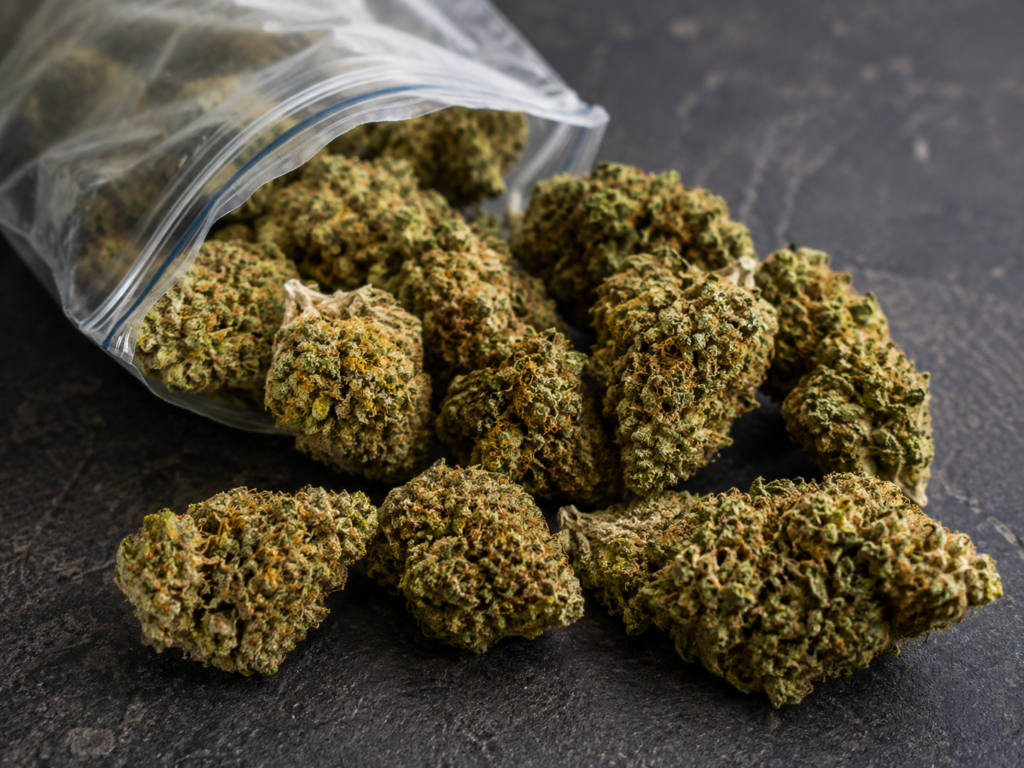
No, recreational cannabis is not legal in Sweden in 2026. Swedish drug policy follows a zero-tolerance approach toward narcotics. This means that even small amounts of cannabis can be treated as a criminal matter. Unlike some European countries where possession of small quantities may lead only to an administrative fine, Sweden considers both possession and personal use illegal.
The law applies to residents, tourists, international students, foreign workers, and anyone physically present in Sweden. Being from a country where cannabis is legal does not give anyone permission to use cannabis in Sweden.
What Cannabis Activities Are Illegal in Sweden?
Under Swedish drug law, several cannabis-related activities are prohibited. These include using cannabis, possessing cannabis, buying cannabis, selling cannabis, growing cannabis plants, storing cannabis, transporting cannabis, importing cannabis, and helping others access cannabis illegally.
This means that Swedish law does not only focus on sellers or large-scale trafficking. Personal use and small-scale possession may also result in police action. Cannabis is treated seriously because Sweden’s national drug policy aims to reduce drug use and protect public health.
Cannabis Possession in Sweden
Possession of cannabis is illegal in Sweden regardless of the amount. A small personal quantity may be treated differently from a large trafficking-related quantity, but it is still not legal. Police may investigate suspected possession, and penalties can depend on the amount, circumstances, prior record, and whether there is evidence of distribution.
For visitors, this is especially important. Carrying cannabis into Sweden, even accidentally, can lead to legal problems. Products that may be legal elsewhere can still be illegal under Swedish rules if they contain THC or are classified as narcotics.
Cannabis Use in Sweden
Sweden criminalised drug use, meaning a person can face consequences not only for carrying cannabis but also for using it. Police may act if they suspect drug use, and drug testing can sometimes be used in investigations.
This makes Sweden different from countries where personal use may be tolerated. In Sweden, cannabis use itself is not accepted as a legal private activity.
Cannabis Cultivation in Sweden
Growing cannabis is illegal in Sweden. This includes growing cannabis plants at home, outdoors, in a greenhouse, or for personal use. The law does not allow recreational users to cultivate cannabis, and medical cannabis patients are not allowed to grow their own plants.
Cultivation can be treated seriously because it may be linked to supply, distribution, or organised drug activity. Even a small number of plants can create legal risk.
Selling or Supplying Cannabis
Selling, supplying, or distributing cannabis is illegal and can lead to more serious penalties than simple possession. Swedish authorities treat drug supply as a major crime concern, especially where it is connected to organised criminal networks.
The penalties for cannabis distribution depend on the scale of the offence, the amount involved, whether minors are affected, and whether the activity is connected to organised crime. Larger cases can result in severe prison sentences.
Medical Cannabis in Sweden
Medical cannabis exists in Sweden, but access is very limited and strictly controlled. It is not the same as recreational cannabis legalisation. Patients cannot simply buy cannabis for medical reasons without proper medical approval.
Some cannabis-based medicines may be prescribed under specific circumstances by licensed healthcare professionals. In certain cases, products may require approval through the Swedish Medical Products Agency. Medical use must follow Swedish healthcare and pharmaceutical regulations.
Patients should speak with a licensed doctor and avoid self-medicating with cannabis products bought from unverified sources. Having a health condition does not automatically make cannabis legal to possess or use in Sweden.
CBD Laws in Sweden
CBD laws in Sweden can be complicated. CBD itself is not treated the same way as THC, but products must comply with Swedish and EU-related rules. One of the most important issues is THC content. Products containing THC may be considered illegal or controlled, even if they are sold as CBD.
Consumers should be careful with imported CBD oils, gummies, vapes, or hemp products. A product that is legal in another country may not be legal in Sweden. Labels can also be misleading, so buyers should check product testing, ingredients, and regulatory compliance.
CBD products should not be marketed with unapproved medical claims. In Sweden, products that claim to treat, cure, or prevent disease may be regulated as medicines. Cannabis Laws in Sweden
Can Tourists Bring Cannabis to Sweden?
Related Products
-
3x Filtered Hash
Price range: $490.00 through $800.00 -
BZ1 Bubble CBD Hemp Hash
Price range: $490.00 through $800.00 -
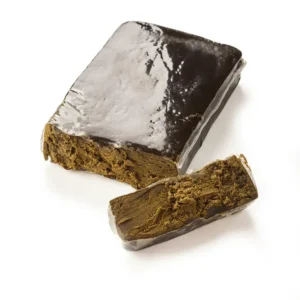
Cali Cream Hash
Price range: $490.00 through $800.00 -
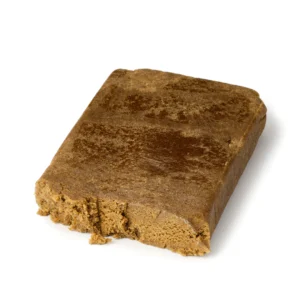
Charas CBD Hash
Price range: $490.00 through $800.00
No. Tourists should not bring cannabis into Sweden. This includes cannabis flower, edibles, concentrates, vape cartridges, THC oils, and other cannabis products. Even if the product was legally purchased in another country, it may still be illegal in Sweden. Cannabis Laws in Sweden
Travellers should also be careful with CBD products. If a CBD product contains THC or is not compliant with Swedish rules, it may create legal problems at the border or inside the country.
Sweden Compared With Other European Countries
Sweden’s cannabis policy is stricter than many other European countries. Some countries have moved toward decriminalisation, medical access, or regulated cannabis discussions. Sweden, however, has maintained a restrictive approach focused on prevention, enforcement, and public health.
This does not mean there is no public debate. Like other countries, Sweden has discussions about medical cannabis, harm reduction, organised crime, and drug policy reform. However, as of 2026, recreational cannabis remains illegal. Cannabis Laws in Sweden
Why Is Sweden Strict on Cannabis?
Sweden’s drug policy has historically focused on creating a drug-free society. The government approach has included prevention, treatment, enforcement, and social support. Supporters of Sweden’s strict policy argue that it discourages drug use and protects young people. Cannabis Laws in Sweden
Critics argue that criminalisation can create stigma, discourage people from seeking help, and contribute to problems linked to the illegal drug market. The debate continues, but the current legal position remains restrictive.
Cannabis and Driving in Sweden
Driving under the influence of drugs is illegal in Sweden. Cannabis can affect reaction time, concentration, and driving safety. A person suspected of drug-impaired driving may face police testing and legal consequences. Cannabis Laws in Sweden
This applies even if cannabis was used outside Sweden or in a country where it was legal. What matters is Swedish traffic law and whether the person is impaired or has illegal substances in their system.
What Happens If Someone Is Caught With Cannabis?
Legal consequences can vary depending on the case. A minor offence may lead to fines, while more serious cases can lead to imprisonment. Factors that may affect the outcome include the amount involved, intent, previous offences, age, and whether the case involves sale or distribution. Cannabis Laws in Sweden
Anyone facing a cannabis-related legal issue in Sweden should seek qualified legal advice. Online information is useful for general understanding, but it cannot replace advice from a Swedish legal professional. Cannabis Laws in Sweden
Cannabis Awareness for Students and Foreign Workers
International students, expats, and foreign workers should take Sweden’s cannabis laws seriously. Some people arrive from countries where cannabis laws are more relaxed and assume the same attitude applies in Sweden. It does not. Cannabis Laws in Sweden
Universities, employers, and immigration-related situations may also be affected by drug-related offences. A cannabis charge can create problems beyond the criminal process, especially for people on visas, work permits, or study permits. Cannabis Laws in Sweden
Safe and Legal Alternatives
People interested in wellness products should focus on legal and compliant options. This may include approved medicines prescribed by doctors, THC-free wellness products where legally permitted, or non-cannabis health supplements that meet Swedish regulations. Cannabis Laws in Sweden
For medical concerns such as pain, anxiety, sleep problems, epilepsy, or chronic illness, the safest step is to speak with a licensed healthcare provider in Sweden. Self-treatment with unregulated cannabis products can be risky legally and medically. Cannabis Laws in Sweden
Final Thoughts
Cannabis laws in Sweden in 2026 remain strict. Recreational cannabis is illegal, and activities such as possession, use, cultivation, purchase, sale, transport, and import can lead to legal consequences. Medical cannabis may be available only in limited, regulated situations through healthcare professionals, while CBD products must be checked carefully for compliance. Cannabis Laws in Sweden
For residents and visitors, the most important message is simple: do not assume cannabis rules in Sweden are the same as in other countries. Sweden continues to follow a zero-tolerance approach, and staying informed is the best way to avoid legal problems.
This article is for general educational purposes only and should not be taken as legal or medical advice. For specific legal questions, contact a qualified Swedish lawyer. For medical questions, speak with a licensed healthcare professional.