
Indica vs Sativa vs Hybrid
Indica vs Sativa vs Hybrid: Understanding the Key Differences
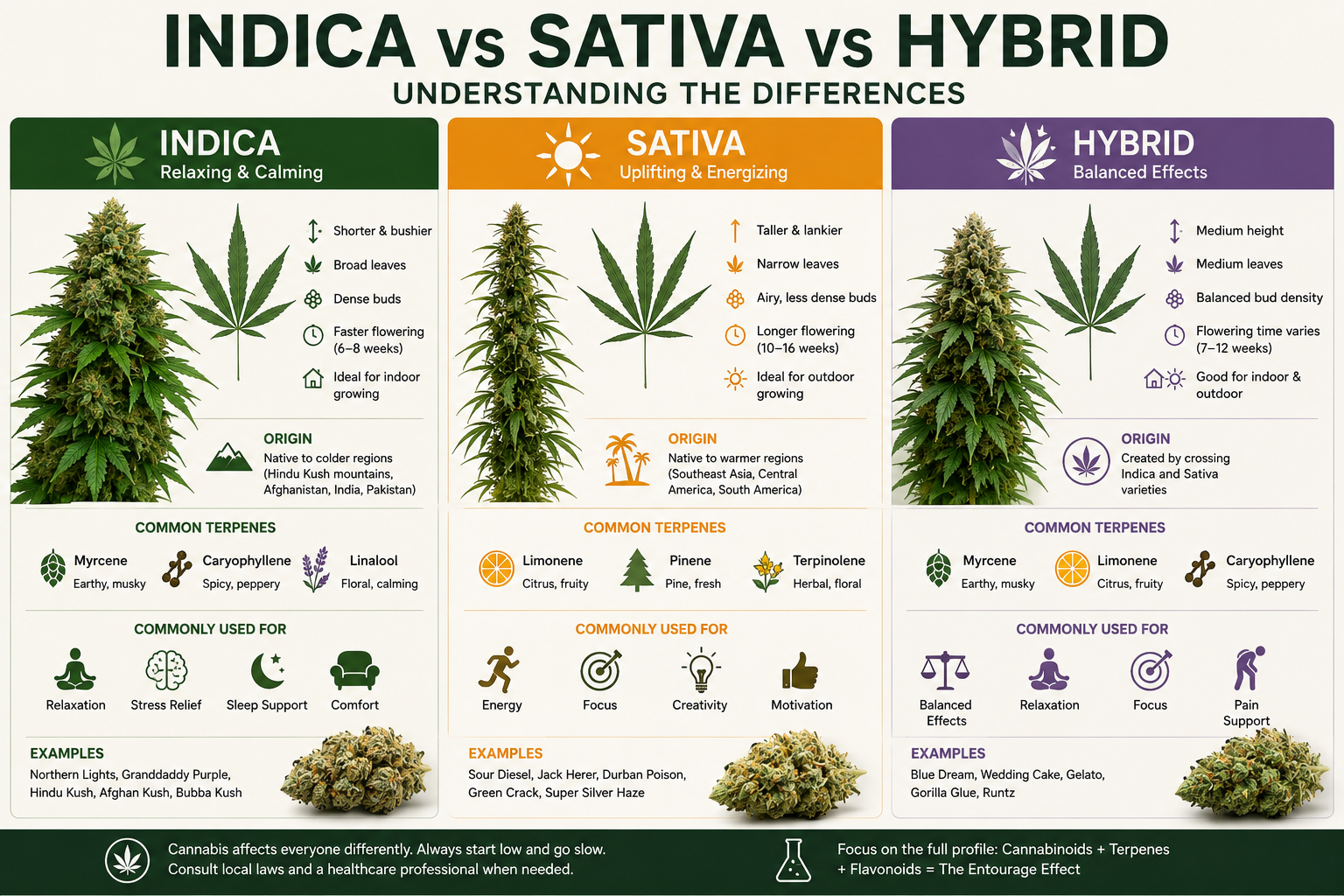
One of the most common questions among people researching cannabis is the difference between Indica, Sativa, and Hybrid varieties. These three categories have traditionally been used to describe different cannabis plant types and their characteristics. Understanding these classifications can help consumers learn more about cannabis cultivation, plant structure, cannabinoid profiles, and common industry terminology. difference between indica and sativa, indica vs sativa, hybrid cannabis strains, what is indica,
While modern cannabis science has evolved beyond simple Indica versus Sativa distinctions, these terms remain widely used throughout the cannabis industry. This guide explores the origins, characteristics, and differences between Indica, Sativa, and Hybrid cannabis varieties. Indica vs Sativa vs Hybrid
What Are Indica, Sativa, and Hybrid?
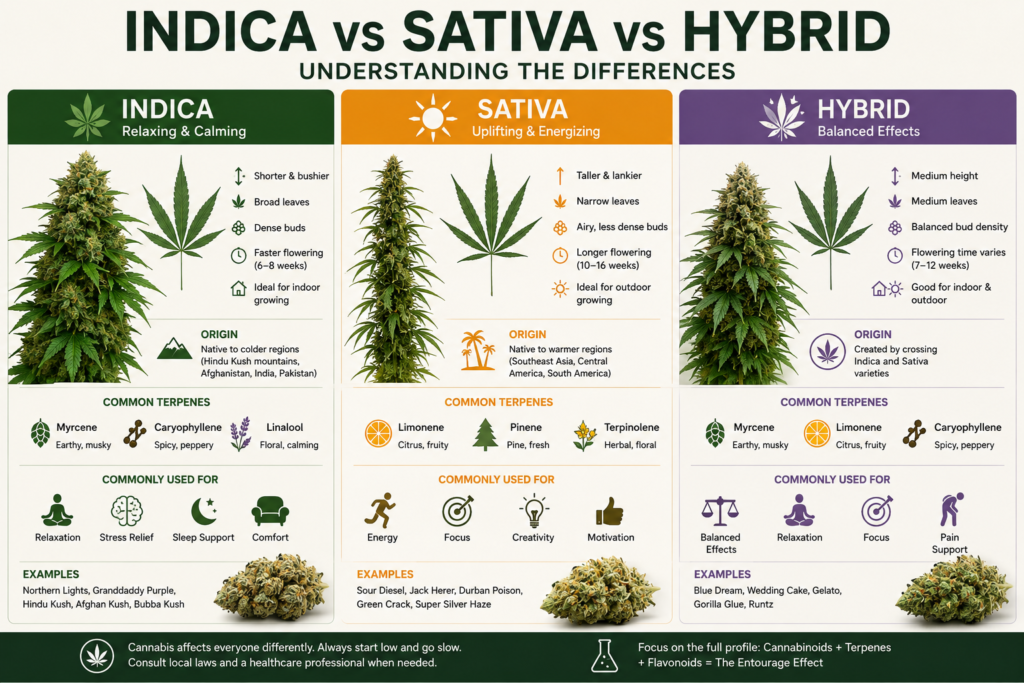
Indica, Sativa, and Hybrid are classifications used to describe different cannabis plant varieties.
Historically, these categories were based on the plant’s physical appearance, growing environment, and geographic origin. Today, many cannabis products and strains continue to be marketed using these labels.
However, researchers increasingly emphasize that cannabinoid and terpene profiles may provide more useful information than traditional classifications alone. Indica vs Sativa vs Hybrid
Understanding Cannabis Classification
Cannabis plants contain hundreds of naturally occurring compounds, including:
- Cannabinoids
- Terpenes
- Flavonoids
- Indica vs Sativa vs Hybrid
These compounds contribute to a plant’s overall chemical profile.
The three primary classifications include:
Indica
Traditionally associated with shorter, bushier plants.
Sativa
Typically associated with taller plants and narrower leaves.
Hybrid
A combination of Indica and Sativa genetics.
Related Products
-
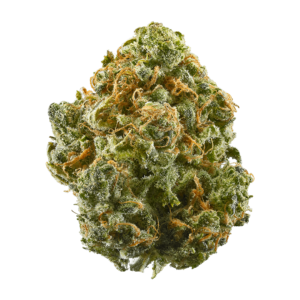
Blue Dream Weed Strain
Price range: $100.00 through $1,200.00 -
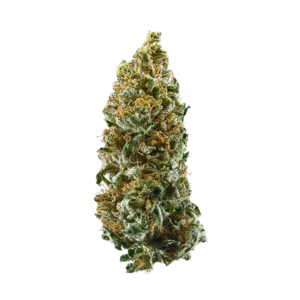
Cannatonic Weed Strain
Price range: $100.00 through $1,200.00 -
Gluerangutan Weed Strain
Price range: $100.00 through $1,200.00 -
GMO Weed Strain
Price range: $100.00 through $1,200.00
Each classification has distinct cultivation characteristics and historical origins.
What Is Indica?
Indica cannabis varieties are believed to have originated in regions with harsher climates, including parts of Central and South Asia. Indica vs Sativa vs Hybrid
Indica plants are generally characterized by:
- Shorter growth patterns
- Broader leaves
- Dense plant structure
- Faster flowering times
- Adaptability to cooler climates
- Indica vs Sativa vs Hybrid
Because of their compact structure, Indica plants are often favored by cultivators working in smaller growing spaces.
Physical Characteristics of Indica Plants
Indica plants typically feature:
- Dark green foliage
- Thick stems
- Compact branching
- Dense flower development
- Broad leaf structure
- Indica vs Sativa vs Hybrid
These characteristics make Indica plants visually distinct from traditional Sativa varieties.
What Is Sativa?
Sativa cannabis varieties are generally associated with warmer climates and longer growing seasons.
Historically, Sativa plants were cultivated in regions near the equator, including parts of Southeast Asia, Central America, and South America.
Sativa plants are often characterized by:
- Taller growth patterns
- Longer flowering periods
- Narrow leaves
- Greater vertical growth
- Adaptation to warm climates
- Indica vs Sativa vs Hybrid
These characteristics make Sativa varieties popular among cultivators with larger growing environments.
Physical Characteristics of Sativa Plants
Sativa plants often display:
- Light green foliage
- Thin leaves
- Increased height
- Wider spacing between branches
- Extended flowering cycles
- Indica vs Sativa vs Hybrid
Their tall structure is one of the easiest ways to distinguish them from Indica varieties.
What Is a Hybrid?
Hybrid cannabis varieties combine genetics from both Indica and Sativa plants.
Because most modern cannabis strains have undergone extensive breeding, true pure Indica and pure Sativa varieties are relatively uncommon.
Hybrid strains are developed to combine desirable characteristics from multiple genetic backgrounds.
Types of Hybrid Strains
Indica-Dominant Hybrids
Contain a greater proportion of Indica genetics.
Sativa-Dominant Hybrids
Contain a greater proportion of Sativa genetics.
Balanced Hybrids
Contain a relatively even mix of both genetic lineages.
Hybrid varieties now represent a significant portion of modern cannabis cultivation.
Why Hybrids Became Popular
Cannabis breeders developed hybrids to combine various plant traits, including:
- Growth characteristics
- Flowering speed
- Yield potential
- Cannabinoid content
- Terpene profiles
- Indica vs Sativa vs Hybrid
This breeding process has created thousands of unique cannabis varieties available today.
Indica vs Sativa Plant Appearance
One of the easiest ways to distinguish traditional Indica and Sativa plants is through appearance.
Indica
- Shorter plants
- Broad leaves
- Dense growth
- Thick branches
- Indica vs Sativa vs Hybrid
Sativa
- Taller plants
- Narrow leaves
- Open structure
- Longer branches
- Indica vs Sativa vs Hybrid
Hybrid plants may display characteristics from either parent lineage.
The Role of Cannabinoids
Cannabinoids are naturally occurring compounds found in cannabis plants.
Common cannabinoids include:
- CBD (Cannabidiol)
- THC (Tetrahydrocannabinol)
- CBG (Cannabigerol)
- CBC (Cannabichromene)
- CBN (Cannabinol)
- Indica vs Sativa vs Hybrid
The concentration of these compounds can vary significantly among different cannabis varieties.
Researchers increasingly focus on cannabinoid profiles rather than relying solely on Indica, Sativa, or Hybrid labels.
The Importance of Terpenes
Terpenes are aromatic compounds found in many plants, including cannabis.
They contribute to:
- Aroma
- Flavor
- Plant characteristics
- Indica vs Sativa vs Hybrid
Common cannabis terpenes include:
Myrcene
Often associated with earthy aromas.
Limonene
Associated with citrus-like scents.
Pinene
Produces pine-like aromas.
Caryophyllene
Known for spicy and peppery characteristics.
Linalool
Associated with floral aromas.
Terpene content may differ significantly between strains, regardless of whether they are labeled Indica, Sativa, or Hybrid.
Modern Cannabis Research
Many experts now believe that cannabinoid and terpene profiles provide more meaningful information than traditional classifications alone.
Two strains labeled as Sativa may have very different chemical compositions.
Likewise, two Indica strains may contain completely different cannabinoid and terpene ratios.
As a result, modern cannabis education increasingly emphasizes chemical composition rather than plant labels.
Why Indica, Sativa, and Hybrid Labels Still Matter
Despite advances in cannabis science, these labels remain widely used because they provide a simple way for consumers to understand general plant lineage.
They continue to serve as useful marketing and educational categories within the cannabis industry.
Consumers frequently search for:
- Indica strains
- Sativa strains
- Hybrid strains
Because of this demand, these classifications remain important throughout the market.
Cannabis Cultivation Differences
Indica Cultivation
Indica plants are often preferred for:
- Faster harvest cycles
- Compact grow spaces
- Indoor cultivation
- Indica vs Sativa vs Hybrid
Sativa Cultivation
Sativa plants may be preferred for:
- Outdoor cultivation
- Warm climates
- Large growing environments
Hybrid Cultivation
Hybrid plants can offer flexibility depending on their genetic background.
Popular Examples of Indica Strains
Common examples frequently discussed include:
These examples are often referenced within cannabis culture and breeding discussions.
Popular Examples of Sativa Strains
Related Products
-
3x Filtered Hash
Price range: $490.00 through $800.00 -
BZ1 Bubble CBD Hemp Hash
Price range: $490.00 through $800.00 -
Cali Cream Hash
Price range: $490.00 through $800.00 -
Charas CBD Hash
Price range: $490.00 through $800.00
Examples often mentioned include:
- Sour Diesel
- Jack Herer
- Durban Poison
- Green Crack
- Super Silver Haze
These varieties are commonly referenced in cannabis literature and educational resources.
Popular Hybrid Strains
Popular hybrid examples include:
- Blue Dream
- Wedding Cake
- Gelato
- Gorilla Glue
- Runtz
Hybrid varieties have become dominant in modern cannabis breeding.
Choosing Between Indica, Sativa, and Hybrid
Consumers researching cannabis often encounter these classifications during product selection.
Factors frequently considered include:
- Plant genetics
- Cannabinoid profile
- Terpene profile
- Product type
- Local regulations
Modern experts recommend reviewing laboratory testing results whenever available rather than relying solely on strain labels.
The Future of Cannabis Classification
As cannabis science advances, classification systems may continue evolving.
Researchers increasingly focus on:
- Cannabinoid profiles
- Terpene profiles
- Genetic analysis
- Laboratory testing
- Plant chemistry
These approaches may eventually provide more precise information than traditional Indica, Sativa, and Hybrid categories.
Conclusion
Indica, Sativa, and Hybrid remain important terms within the cannabis industry. Traditionally, Indica varieties are associated with shorter, bushier plants, while Sativa varieties are known for taller growth and narrow leaves. Hybrid strains combine genetics from both lineages and now represent a large portion of modern cannabis cultivation.
Although these categories remain widely used, modern cannabis science increasingly emphasizes cannabinoid and terpene profiles as better indicators of a plant’s characteristics. Understanding both traditional classifications and modern research can help consumers make more informed decisions when exploring cannabis-related information.
Whether you are researching cannabis cultivation, plant genetics, cannabinoids, or strain classifications, understanding the differences between Indica, Sativa, and Hybrid varieties provides valuable insight into the evolving world of cannabis science.