
Difference Between CBD and THC
Difference Between CBD and THC: A Complete Guide for Beginners
As interest in cannabis and hemp-derived products continues to grow worldwide, two compounds receive more attention than any others: CBD and THC. Both substances are naturally found in the cannabis plant, but they affect the body in different ways. Understanding the difference between CBD and THC is important for anyone researching cannabinoids, wellness products, hemp extracts, or cannabis-related topics.
This guide explains what CBD and THC are, how they work, their key differences, potential effects, legal considerations, and what consumers should know before choosing products containing either cannabinoid.
What Are Cannabinoids?
Cannabinoids are naturally occurring compounds found in cannabis plants. Scientists have identified more than 100 cannabinoids, each interacting differently with the body’s endocannabinoid system (ECS).
Among these cannabinoids, cannabidiol (CBD) and tetrahydrocannabinol (THC) are the most studied and recognized.
Although CBD and THC come from the same plant family, they have very different characteristics and effects.
What Is CBD?
CBD stands for cannabidiol. It is a non-intoxicating cannabinoid found in both hemp and cannabis plants.
CBD has gained popularity because it does not produce the psychoactive effects commonly associated with THC. Many consumers are interested in CBD products for general wellness purposes and because they do not experience the “high” often linked to cannabis.
CBD is commonly available in:
- CBD oils
- CBD gummies
- CBD Capsules
- CBD topicals
- CBD tinctures
- Hemp extracts
- CBD wellness products
Researchers continue studying CBD and its interaction with the body’s endocannabinoid system.
What Is THC?
THC, or tetrahydrocannabinol, is the primary psychoactive compound found in cannabis.
Unlike CBD, THC interacts directly with receptors in the brain that influence mood, perception, memory, and coordination. This interaction is responsible for the intoxicating effects often referred to as a “high.”
THC is the cannabinoid most commonly associated with recreational cannabis use.
The Endocannabinoid System Explained
To understand the difference between CBD and THC, it helps to understand the endocannabinoid system.
The endocannabinoid system is a network of receptors, signaling molecules, and enzymes found throughout the human body. Researchers believe it plays a role in maintaining balance across several biological functions.
The two main receptor types are:
CB1 Receptors
Primarily located in the brain and central nervous system.
CB2 Receptors
Found mainly in immune-related tissues and peripheral systems.
CBD and THC interact with these receptors differently, which explains many of their unique effects.
How CBD Works
CBD does not strongly bind to CB1 or CB2 receptors.
Instead, researchers believe CBD influences the endocannabinoid system indirectly. This interaction may affect how the body processes its own naturally occurring endocannabinoids.
CBD’s indirect interaction with receptors is one reason it does not produce intoxicating effects.
How THC Works
THC directly binds to CB1 receptors in the brain.
This interaction affects areas associated with:
- Mood
- Memory
- Coordination
- Sensory perception
- Cognitive processing
Because THC binds directly to these receptors, it can produce psychoactive effects that alter perception and behavior.
The Main Difference Between CBD and THC
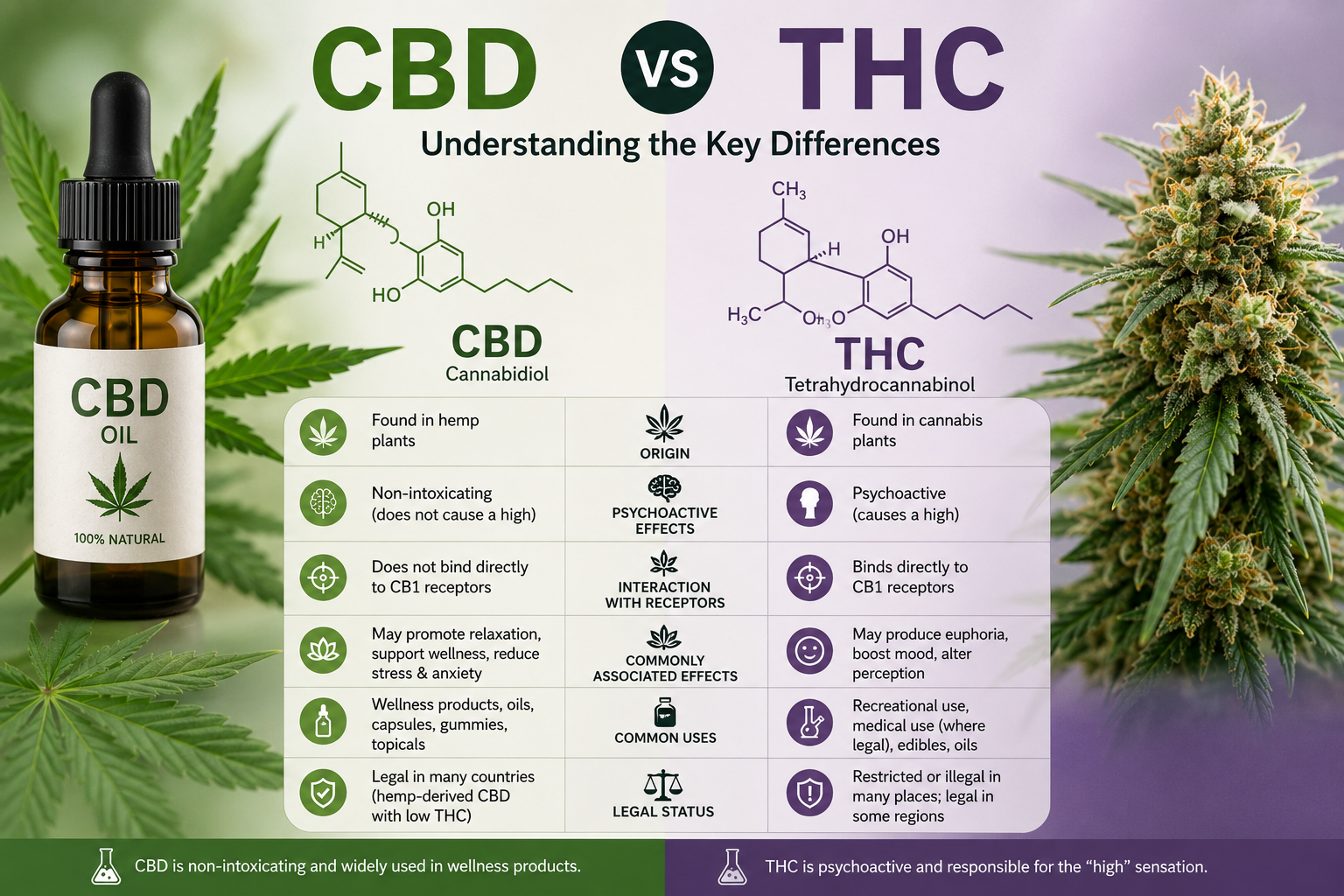
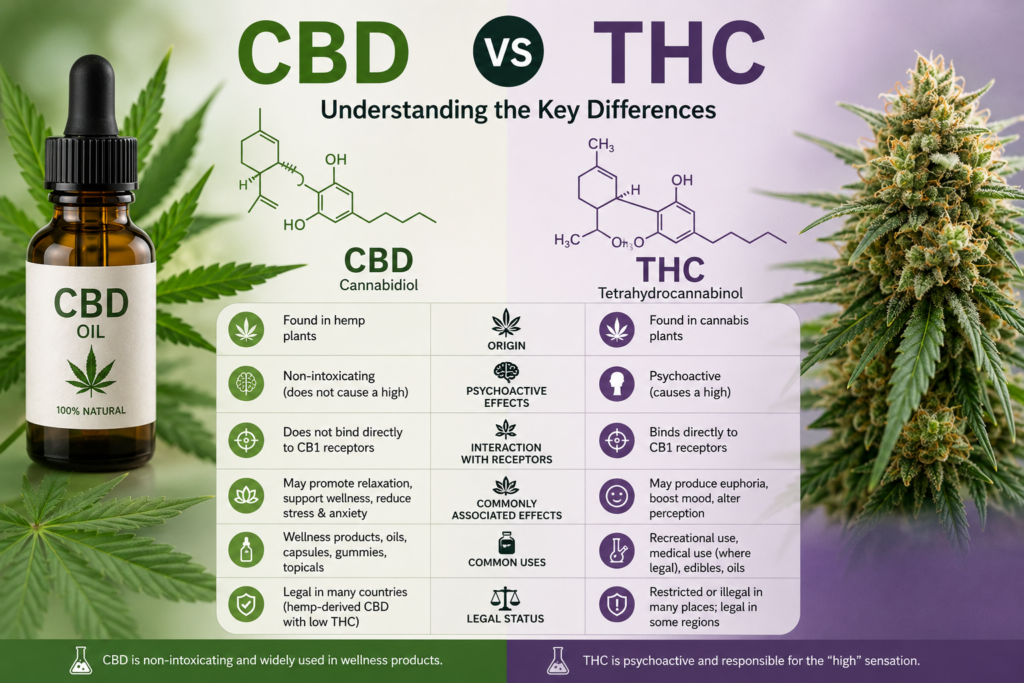
The most significant difference between CBD and THC is psychoactivity.
CBD
- Non-intoxicating
- Does not produce a high
- Commonly used in wellness products
- Interacts indirectly with the ECS
THC
- Psychoactive
- Produces intoxicating effects
- Associated with recreational cannabis
- Directly binds to CB1 receptors
This distinction is one of the primary reasons consumers research CBD versus THC.
Chemical Structure Differences
CBD and THC share a similar molecular structure.
Both compounds contain:
- 21 carbon atoms
- 30 hydrogen atoms
- 2 oxygen atoms
However, the arrangement of these atoms differs slightly.
Although the difference appears minor, it significantly affects how each cannabinoid interacts with receptors in the body.
This demonstrates how small molecular changes can create very different biological effects.
CBD vs THC Effects
Potential Effects Associated with CBD
Research continues to explore CBD’s interaction with various biological systems. Areas of scientific interest include:
- Stress management
- Sleep support
- Recovery support
- General wellness
- Endocannabinoid system regulation
Research is ongoing, and conclusions continue to evolve.
Effects Commonly Associated with THC
THC may influence:
- Mood
- Perception
- Memory
- Coordination
- Appetite
The intensity of effects may vary depending on dosage, product formulation, individual tolerance, and method of use.
CBD Products vs THC Products
Related Products
-
Cake THC-A + THC-P Cartridge
Price range: $50.00 through $100.00 -
Coastal Clouds Delta 8 Vapes
Price range: $50.00 through $100.00 -
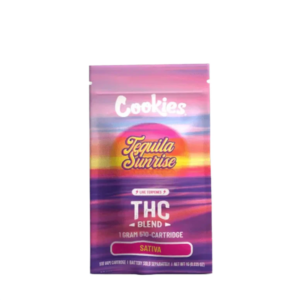
Cookies Tequila Sunrise THC-A Cartridge
Price range: $50.00 through $100.00 -
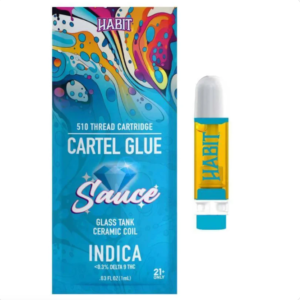
Habit Potent As F#ck THC-A Cartridge
Price range: $50.00 through $100.00
Consumers can find CBD in many product formats, including:
- Oils
- Capsules
- Gummies
- Topicals
- Tinctures
- Difference Between CBD and THC
THC-containing products may also appear in similar forms where legally permitted.
However, regulations differ significantly depending on jurisdiction.
Consumers should always review local laws before purchasing cannabinoid products.
Hemp vs Cannabis
CBD is often associated with hemp. Difference Between CBD and THC
Hemp typically contains very low levels of THC and is frequently cultivated for industrial and wellness-related purposes.
Cannabis varieties grown for recreational or medical use often contain higher concentrations of THC.
The distinction between hemp and cannabis may vary depending on local regulations.
Related Products
-
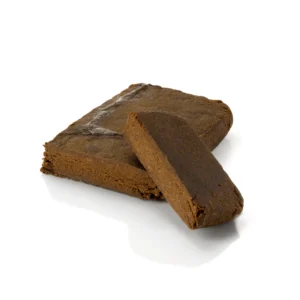
3x Filtered Hash
Price range: $490.00 through $800.00 -
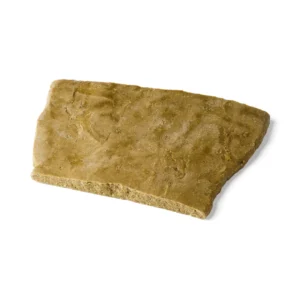
BZ1 Bubble CBD Hemp Hash
Price range: $490.00 through $800.00 -
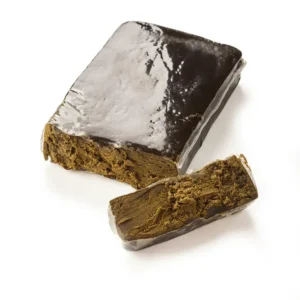
Cali Cream Hash
Price range: $490.00 through $800.00 -
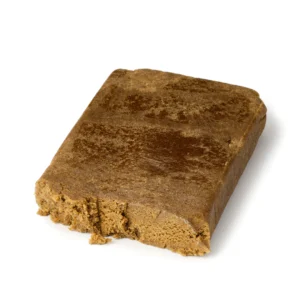
Charas CBD Hash
Price range: $490.00 through $800.00
Full-Spectrum CBD and THC
Many consumers encounter terms such as:
Full-Spectrum CBD
Contains multiple naturally occurring hemp compounds, including cannabinoids and terpenes.
Broad-Spectrum CBD
Contains multiple cannabinoids but generally excludes THC.
CBD Isolate
Contains purified cannabidiol without other cannabinoids.
Understanding these categories helps consumers choose products that align with their preferences and local regulations.
Can CBD Make You Feel High?
CBD itself does not produce intoxicating effects.
This is one reason CBD products have become increasingly popular among individuals seeking hemp-derived wellness products without psychoactive experiences.
Consumers should still carefully review product labels because formulations can vary.
Can THC Show Up on Drug Tests?
Drug testing procedures vary.
Many standard tests are designed to detect THC or THC metabolites.
Consumers should understand product ingredients and testing policies before using cannabinoid products.
Anyone concerned about workplace drug testing should seek professional guidance and review relevant policies. Difference Between CBD and THC
Legal Differences Between CBD and THC
CBD and THC are regulated differently around the world.
Some regions permit certain CBD products while maintaining strict controls on THC-containing products.
Other jurisdictions regulate both cannabinoids under cannabis laws.
Important legal factors include:
- THC concentration
- Product classification
- Intended use
- Local regulations
- National laws
- Difference Between CBD and THC
Consumers should always verify current regulations before purchasing or using cannabinoid products.
Which Is Better: CBD or THC?
There is no universal answer.
CBD and THC are different cannabinoids with different characteristics.
The better choice depends on:
- Personal goals
- Product preferences
- Legal considerations
- Individual circumstances
- Professional medical advice
- Difference Between CBD and THC
Rather than asking which is better, it is often more useful to understand how each cannabinoid differs.
The Growing Interest in Cannabinoids
Researchers continue to study cannabinoids and their potential interactions with human biology.
As scientific knowledge expands, public understanding of CBD, THC, and other cannabinoids is also improving.
New research may provide additional insights into:
- Endocannabinoid system function
- Cannabinoid interactions
- Product quality standards
- Consumer safety
- Regulatory frameworks
- Difference Between CBD and THC
Choosing Quality Cannabinoid Products
Consumers researching CBD or THC products should prioritize:
Third-Party Testing
Independent laboratory reports help verify product quality.
Transparent Labeling
Reliable manufacturers provide clear ingredient information.
Reputable Brands
Trustworthy companies often offer detailed product information and quality standards.
Regulatory Compliance
Consumers should ensure products meet local legal requirements.
Final Thoughts
Understanding the difference between CBD and THC is essential for anyone exploring cannabis and hemp-derived products. While both cannabinoids originate from the same plant family, they interact with the body differently and produce different effects.
CBD is generally known for being non-intoxicating and does not produce a high, while THC is the primary psychoactive cannabinoid associated with cannabis intoxication. Their unique interactions with the endocannabinoid system explain many of these differences.
As interest in cannabinoids continues to grow, consumers should rely on evidence-based information, review local laws, choose quality products, and consult qualified healthcare professionals when appropriate. By understanding CBD and THC, individuals can make more informed decisions about cannabinoid-related products and wellness choices. Difference Between CBD and THC